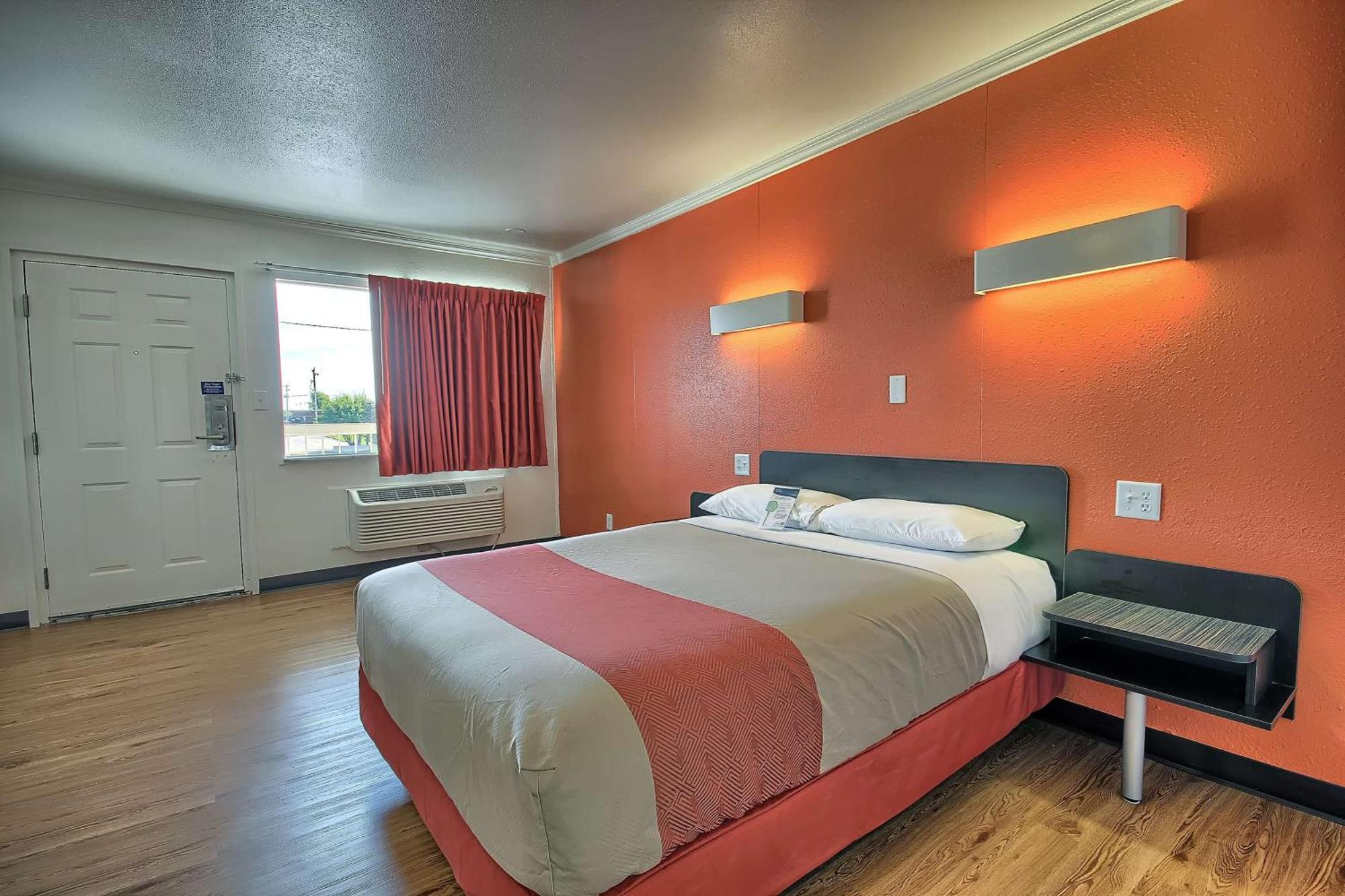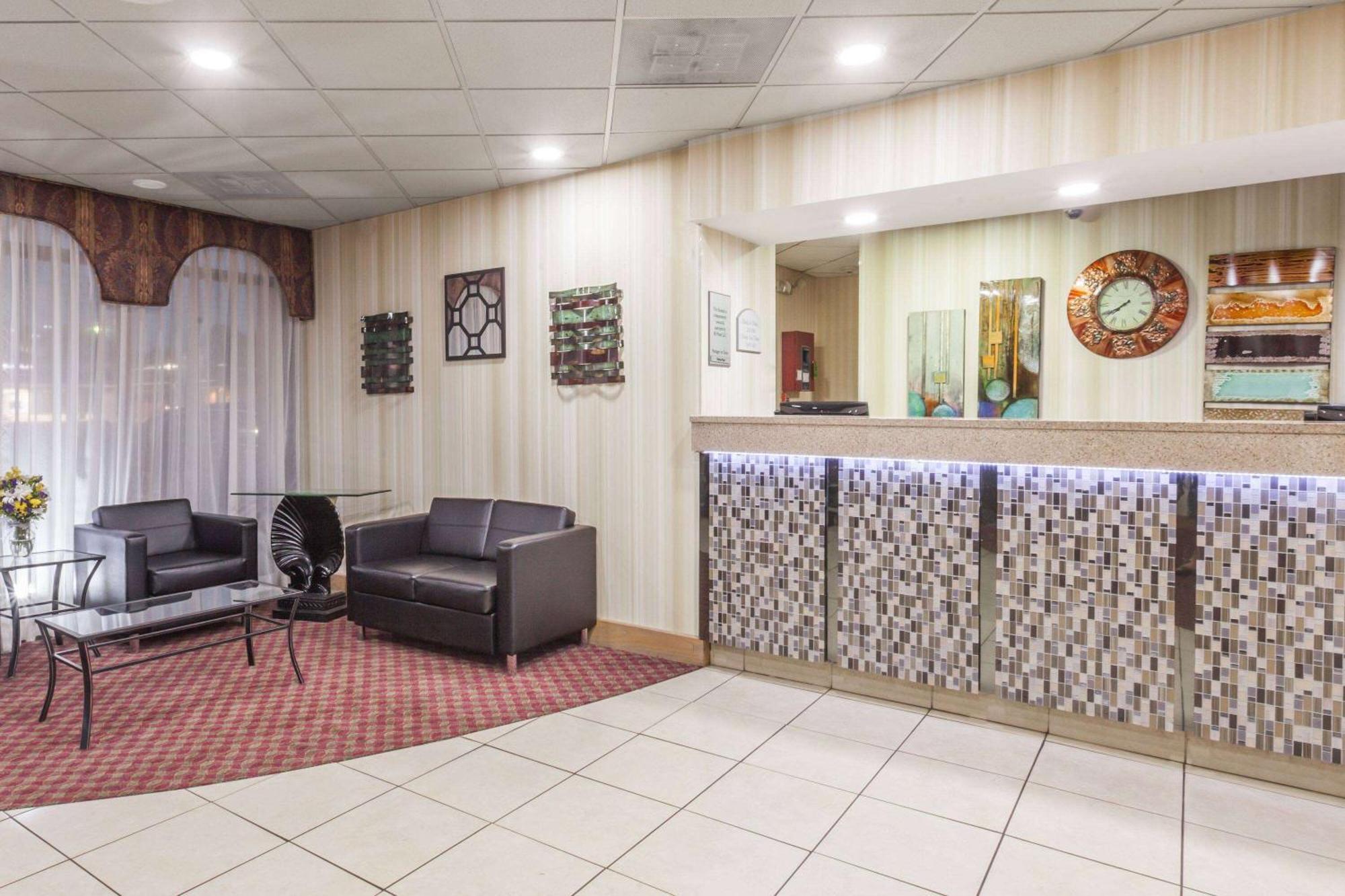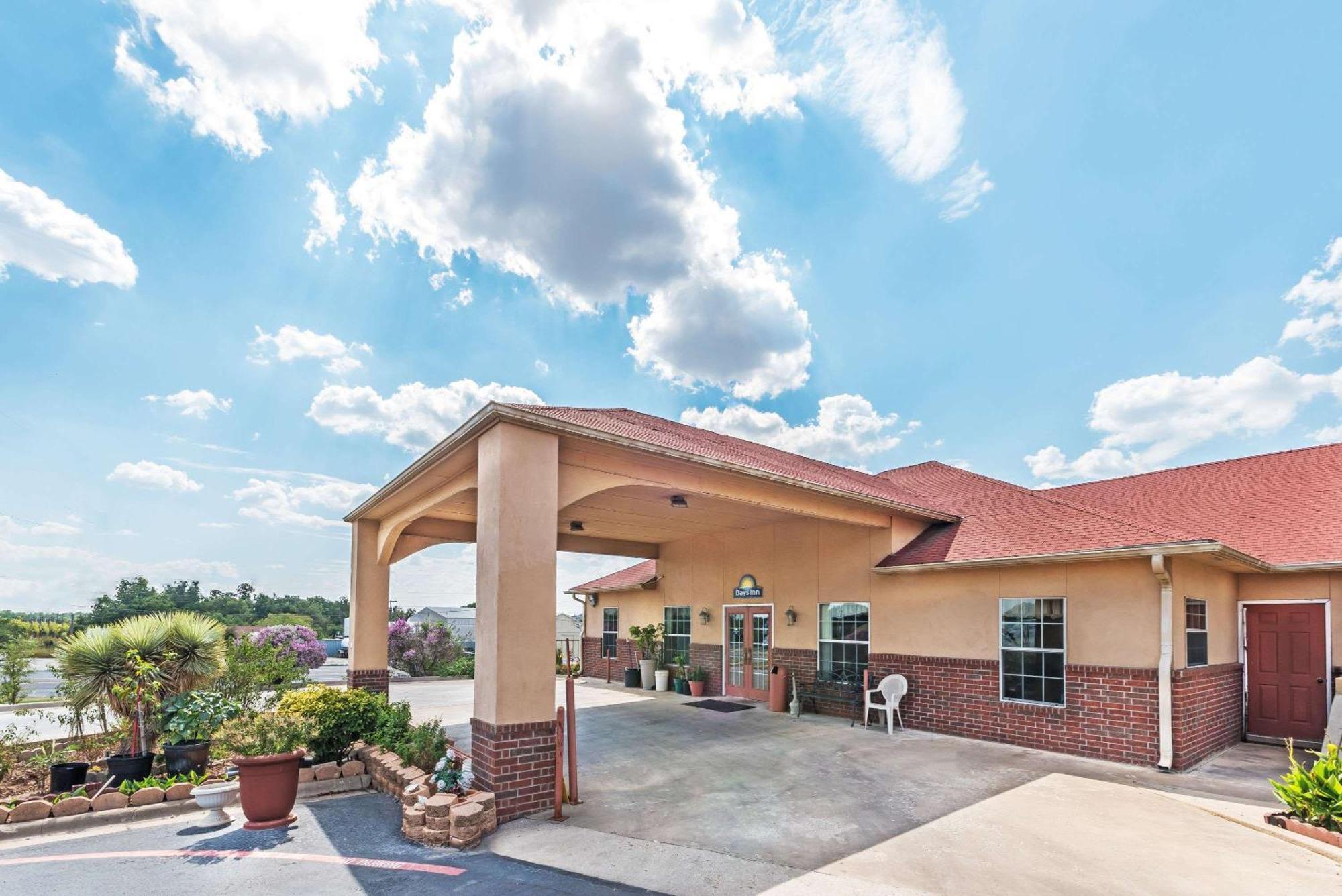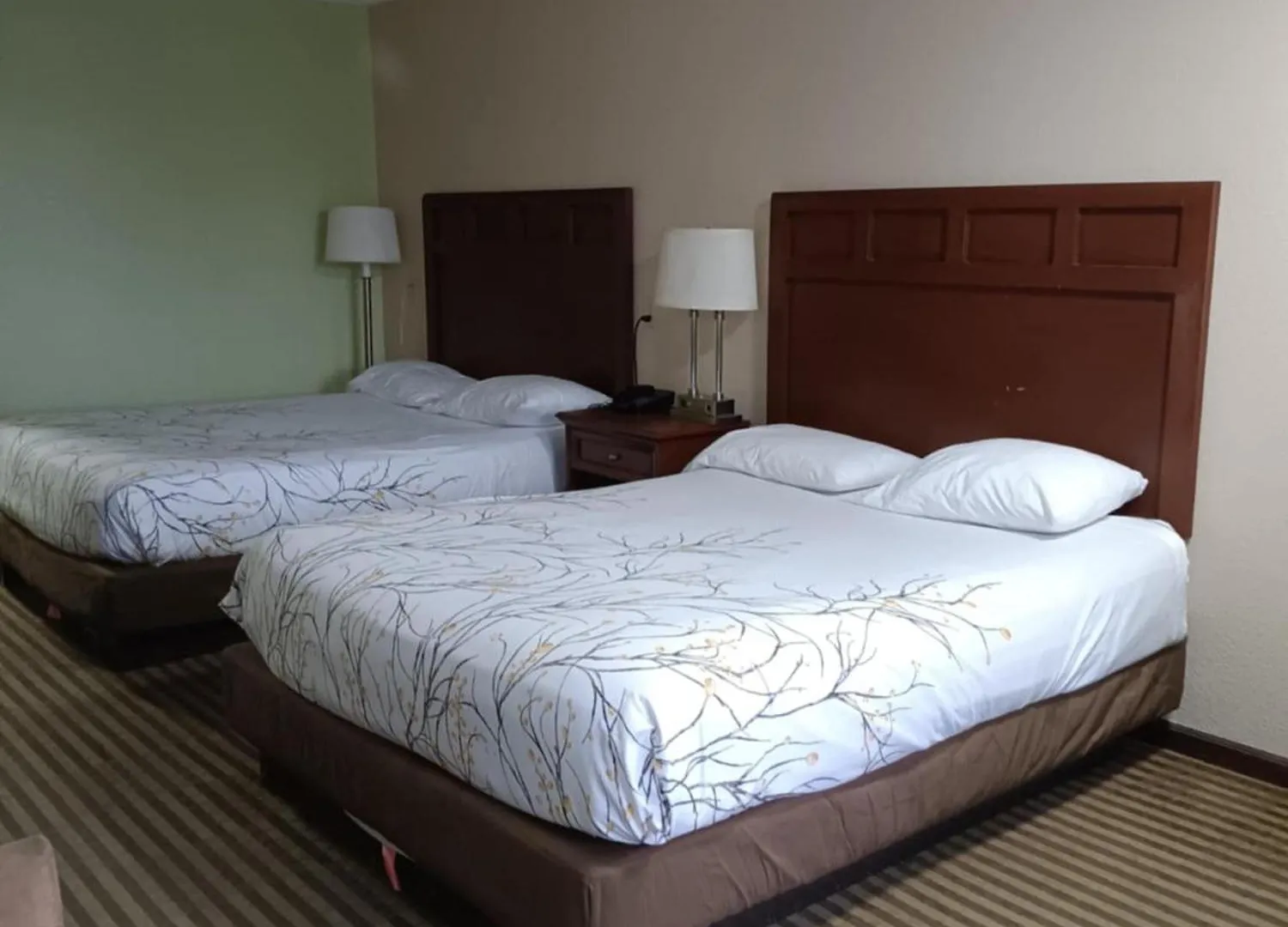
Motels remain one of the most practical and honest lodging formats in the United States - drive-up access, ground-floor rooms, free parking, and no-frills pricing that works whether you're crossing a state or settling in for a few nights near a national park. From highway stops in Texas to riverside stays in Washington and mountain-adjacent lodges in Colorado, the U.S. motel landscape is far more varied than most travelers expect. This guide covers 14 real options across different states, with the specifics you need to make a fast, confident booking decision.
What It's Like Staying at a Motel in the United States
The United States is the birthplace of motel culture - built around the car, the open road, and accessible overnight stops between major destinations. The country spans six time zones and contains everything from desert highways in Arizona to dense forests in Idaho, glacier-adjacent towns in Montana, and colonial-era landscapes in South Carolina. Motels here are woven into that geography: they sit off interstates, at the edge of small towns, near state parks, and at the foot of ski resorts. Free parking is nearly universal, and most properties include in-room microwaves and refrigerators - a practical detail that matters on multi-night road trips. Crowds depend heavily on location: national park gateway towns like Whitefish, Montana or Ouray, Colorado fill up fast from June through August, while highway motels in rural Texas or Kentucky remain accessible even in peak months. Travelers who prefer walkable city centers or boutique aesthetics will find motels limiting, but for anyone covering ground across multiple states, the drive-up room format saves real time.
Pros:
- Free parking at nearly every property - no valet fees or urban parking charges
- Ground-floor, drive-up room access makes loading and unloading significantly faster for road trippers
- Located near national parks, state parks, and highway corridors that hotels often don't serve
Cons:
- Room soundproofing is often minimal - highway-adjacent properties can be noisy at night
- On-site dining is limited; most motels rely on nearby restaurants or in-room microwaves
- Fewer amenities than full-service hotels - no concierge, room service, or lobby bar
Why Choose a Motel When Traveling Across the United States
In the United States, motels typically run around 40% cheaper per night than comparable mid-scale hotels in the same corridor, and that gap widens near rural or semi-rural destinations where branded hotels simply don't exist. Room sizes vary - standard motel rooms average around 250-300 square feet, but many U.S. motels now include updated amenities like flat-screen TVs, in-room refrigerators, free WiFi, and even jacuzzi suites, closing the comfort gap with budget hotels. The real trade-off is atmosphere: motels don't have lobbies designed for lingering, and exterior corridor layouts mean rooms open directly to the parking lot - which is efficient but can feel exposed at some locations. For travelers moving between destinations every one or two nights, that format is genuinely faster than navigating a hotel tower. Motels near outdoor recreation hubs - ski areas, river corridors, national monuments - often provide specific add-ons like ski packages, fishing docks, or BBQ areas that standard hotels don't bother with. These activity-adjacent perks make certain motels the most functional lodging option for destination-specific travel in the American interior.
Pros:
- Significantly lower nightly rates compared to mid-scale hotels in the same region
- Outdoor-specific amenities - BBQ grills, fishing docks, ski packages - matched to local activities
- No check-in queue pressure; many offer 24-hour front desks with straightforward processes
Cons:
- Limited common spaces - no fitness centers, business lounges, or dining rooms at many properties
- Exterior room corridors can feel less secure, particularly at isolated highway locations
- Continental or grab-and-go breakfasts are common but rarely substantial enough to replace a full meal
Practical Booking and Area Strategy for U.S. Motels
Location strategy matters enormously when booking motels in the United States. For Pacific Northwest road trips, towns like Woodland, Washington and Saint Maries, Idaho serve as underrated bases - close to rivers, trails, and wilderness areas without the pricing premium of major cities. In the Mountain West, Whitefish, Montana and Ouray, Colorado are high-demand towns during summer and ski season, and booking at least 6 weeks ahead is advisable for those areas. Childress, Texas and Henderson, Tennessee represent classic highway corridor stops - practical for one-night stays mid-route rather than destination bases. For travelers exploring the Southeast, the Charleston, South Carolina area offers motels within a short drive of the Historic District, giving cultural access without downtown hotel pricing. Grayson, Kentucky and Danville, Virginia are smart stopovers on Appalachian-region road trips, with state park access and low nightly rates. In most rural American motel markets, last-minute availability is common outside July and August, but gateway towns to national parks and ski resorts are exceptions - those fill weeks in advance.
Motels in the South & Southeast
This group covers motel options across Tennessee, Virginia, South Carolina, and Kentucky - states with a mix of highway corridors, Appalachian geography, and coastal-adjacent access points.
-
1. Americana Inn
Show on map


 Check-infrom 15:00 until 23:59Check-outuntil 11:00
Just a few rooms left at the best rate!
fromUS$ 69
-
2. Budget Inn Danville
Show on map


 Check-infrom 15:00 until 23:59Check-outuntil 11:00
Best price guarantee
fromUS$ 80
-
3. Charleston Creekside Inn
Show on map


 Check-infrom 15:00 until 23:59Check-outuntil 11:00
Rooms filling fast – secure the best rate!
fromUS$ 149
-
4. Days Inn By Wyndham Grayson
Show on map


 Check-infrom 15:00 until 23:59Check-outuntil 11:00
Best price guarantee
fromUS$ 345
Motels in the West, Mountain States & Pacific Northwest
This group spans Washington, Idaho, Montana, Wyoming, Colorado, Arizona, and Texas - covering highway stops, ski-town bases, and national monument gateways across the American West.
-
5. The Pines Motel
Show on map


 Check-infrom 15:00 until 19:00Check-outuntil 11:00
Hurry – almost gone at this price!
fromUS$ 85
-
6. Lewis River Inn
Show on map


 Check-infrom 16:00 until 23:59Check-outfrom 04:00 until 11:00
Best price guarantee
fromUS$ 120
-
7. Westport Marina Cottages
Show on map


 Check-infrom 16:00 until 23:59Check-outfrom 09:00 until 11:00
Just a few rooms left at the best rate!
fromUS$ 279
-
8. Chalet Inn
Show on map


 Check-infrom 16:00 until 21:00Check-outfrom 09:00 until 11:00
Best price guarantee
fromUS$ 193
-
9. The Hulett Motel
Show on map


 Check-infrom 15:00 until 23:59Check-outuntil 10:00
Best price guarantee
fromUS$ 109
-
10. Timber Ridge Lodge Ouray
Show on map


 Check-infrom 15:00 until 21:00Check-outuntil 10:00
Rooms filling fast – secure the best rate!
fromUS$ 144
-
11. Iron Horse Inn
Show on map


 Check-infrom 16:00 until 21:00Check-outfrom 05:00 until 11:00
Just a few rooms left at the best rate!
fromUS$ 79
-
12. Days Inn By Wyndham Childress
Show on map


 Check-infrom 15:00 until 23:59Check-outuntil 11:00
Hurry – almost gone at this price!
fromUS$ 105
Motels in the Midwest & Northern Plains
This group covers Ohio, North Dakota, and New Jersey - a mix of Midwest university towns, Great Plains highway stops, and East Coast shore-adjacent properties.
-
13. Deerfield Inn
Show on map


 Check-infrom 15:00 until 23:59Check-outuntil 11:00
Best price guarantee
fromUS$ 65
-
14. Best Western Roosevelt Place
Show on map


 Check-infrom 15:00 until 23:59Check-outuntil 11:00
Rooms filling fast – secure the best rate!
fromUS$ 67
-
15. Golden Rail Motel
Show on map


 Check-infrom 15:00 until 17:00Check-outfrom 09:00 until 10:00
Hurry – almost gone at this price!
fromUS$ 109
Smart Timing and Booking Strategy for U.S. Motels
The United States motel market follows predictable seasonal patterns that directly affect both availability and pricing. July and August are the hardest months to book at motels near national parks, ski towns in their summer hiking mode, and coastal destinations like the Jersey Shore - prices can spike and properties near Glacier, Devils Tower, or Ouray sell out weeks in advance. September through early November is the most practical window for road trip travel: crowds have dropped, rates fall by around 25% at gateway-town properties, and the fall foliage across Appalachian states like Virginia, Kentucky, and Tennessee creates genuinely scenic driving conditions. For winter travel, ski-adjacent motels in Whitefish or Ouray should be booked at least 6 weeks out for February, when powder season peaks. Spring - March through May - offers the best balance of availability and value across most U.S. motel markets, with the exception of spring break weeks in Texas and the Southeast. Last-minute motel bookings remain viable on highway corridors in Texas, rural Ohio, or North Dakota outside peak season, but never assume availability at outdoor recreation hubs without checking. A minimum of two nights in destination-adjacent locations maximizes the value of the drive to reach them.